The Costa del Sol is one of the most underrated scuba diving destinations in Europe. While most visitors know southern Spain for its beaches and sunshine, divers know there is a completely different world waiting beneath the surface.
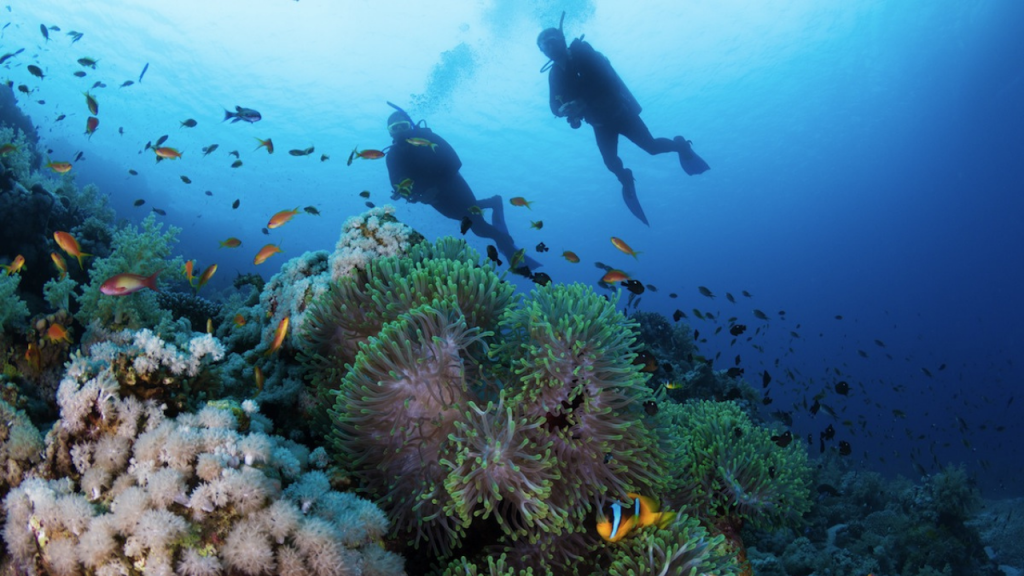
From protected marine reserves and colourful Mediterranean reefs to historic wrecks in Gibraltar and drift dives in Tarifa, the region offers some of the most varied diving in Spain. Thanks to the meeting point of the Mediterranean Sea and the Atlantic Ocean, the marine biodiversity here is exceptional, with everything from nudibranchs and octopuses to Mola mola (Ocean sunfish) and large pelagic species regularly spotted throughout the year.
Why is the Costa del Sol good for scuba diving?
The Costa del Sol offers year-round scuba diving with a wide range of underwater environments suitable for both beginner and advanced divers.
What makes diving here special is the diversity:
- Mediterranean reefs full of macro life
- Historic shipwrecks
- Marine reserves
- Shore and boat dives
- Drift diving opportunities
- Excellent underwater topography
- Mix of Atlantic and Mediterranean marine species
Visibility can range from around 10 to 30 metres depending on the season and conditions, while water temperatures generally range between 15°C in winter and 23°C in summer.
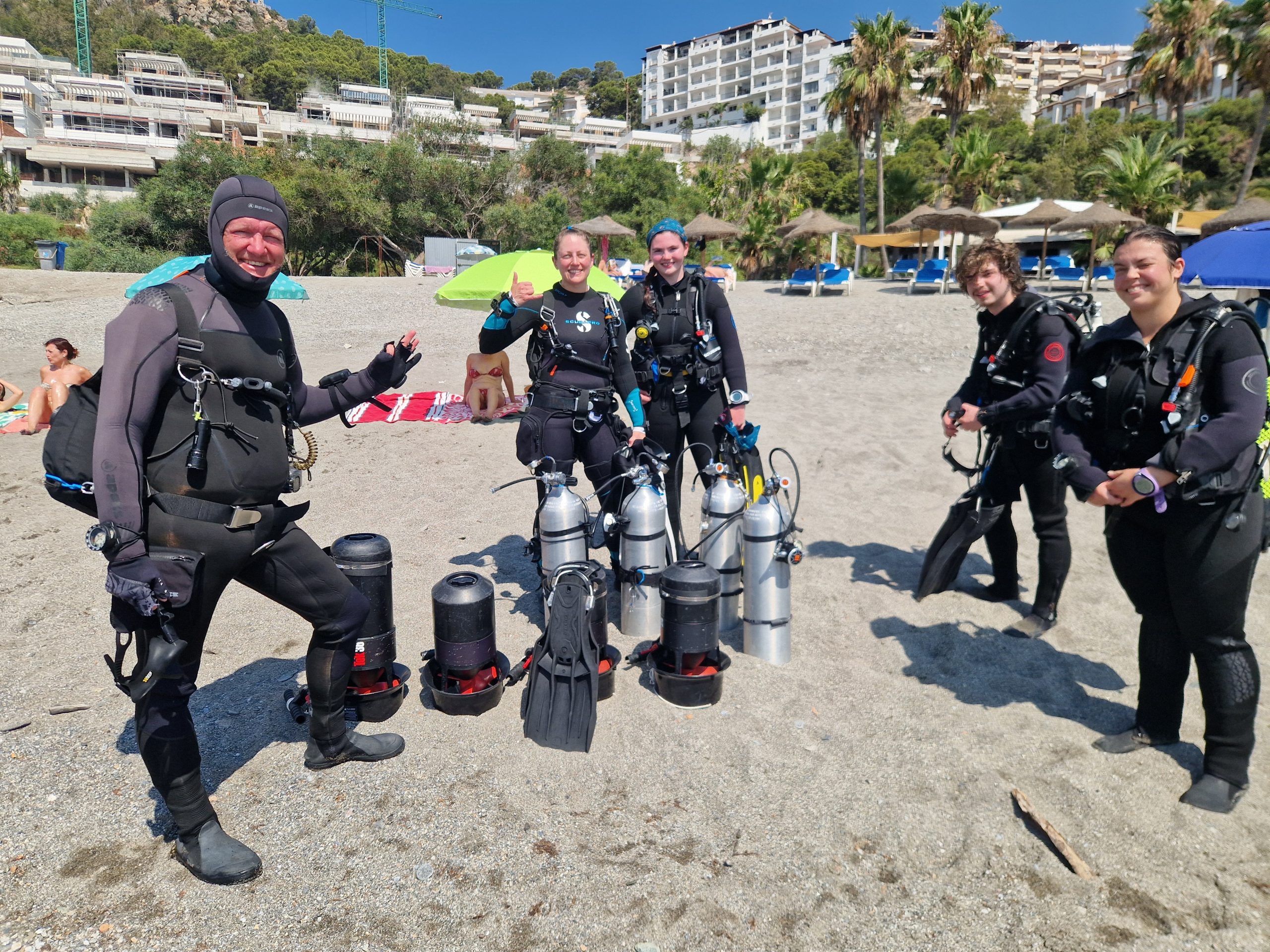
Another major advantage is accessibility. Many of the best dive sites on the Costa del Sol can be reached directly from shore, making the area ideal for:
- Beginner divers
- Training dives
- Underwater photography
- Refresher courses
- Relaxed fun dives
Marina del Este – One of the best dive sites on the Costa del Sol
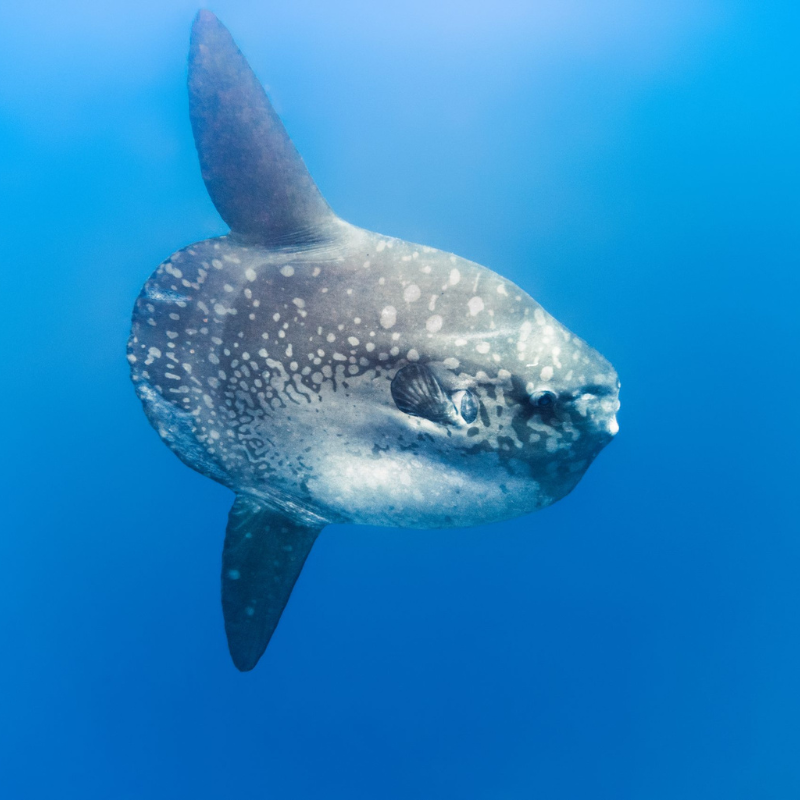
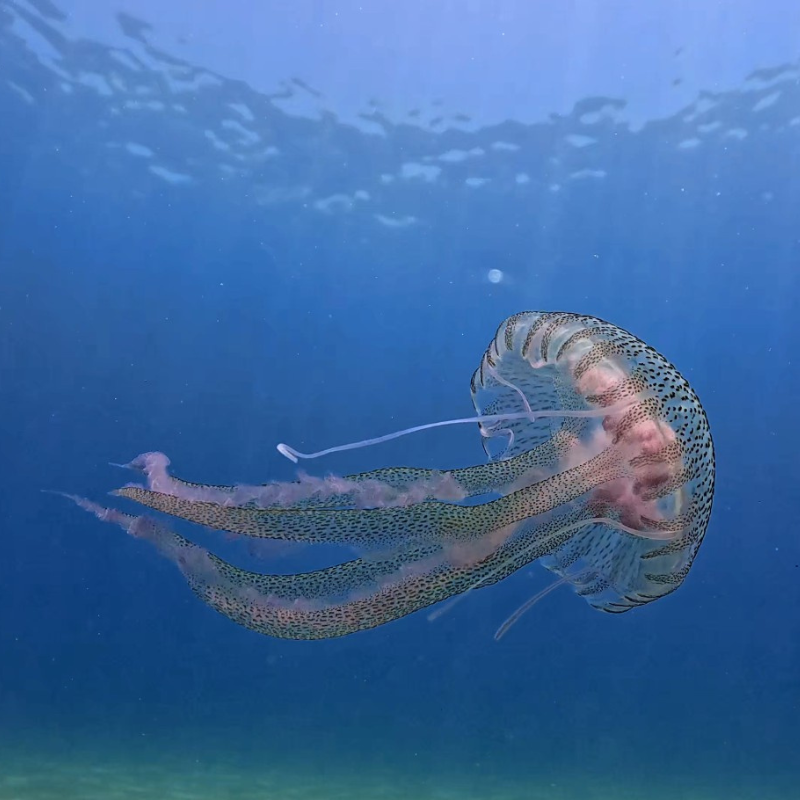
Located near La Herradura on the eastern Costa del Sol, Marina del Este is widely considered one of the best diving locations in southern Spain. The area borders the Maro-Cerro Gordo natural reserve and became part of a protected marine reserve area in 2025.
One of the reasons Marina del Este is so popular is the variety of diving available within a relatively compact bay. Divers can explore rocky reefs, swim-throughs, sandy seabeds and deeper walls, all while surrounded by abundant marine life.
What marine life can you see at Marina del Este?
The La Herradura and Marina del Este area is known as one of the best diving locations in Europe for spotting Mola mola (ocean sunfish), particularly during the peak season from June to October.
Divers regularly encounter:
- Octopuses
- Moray eels
- Nudibranchs
- Scorpionfish
- Sardines
- Cuttlefish
- Sea stars
- Crabs
- Large schools of bream
The site is also excellent for underwater photographers thanks to its colourful reefs and macro life.
Is Marina del Este suitable for beginners?
Yes. Marina del Este offers both shallow areas for training dives and deeper sections for more experienced divers. Easy shore entry and generally calm conditions make it one of the best beginner-friendly dive sites on the Costa del Sol.
Gibraltar – The best wreck diving in southern Spain
If you enjoy wreck diving, Gibraltar should be at the top of your list.
The area is home to more than 40 wrecks, many originally placed as part of artificial reef conservation projects. Over time, these wrecks have transformed into thriving marine ecosystems covered in life.
Some of the best-known dive areas include:
- Camp Bay
- Rosia Bay
- Artificial reef systems
- Deep and shallow wreck dives
The combination of Atlantic influence, currents and structure attracts significantly larger marine life compared to many Mediterranean reef dives.
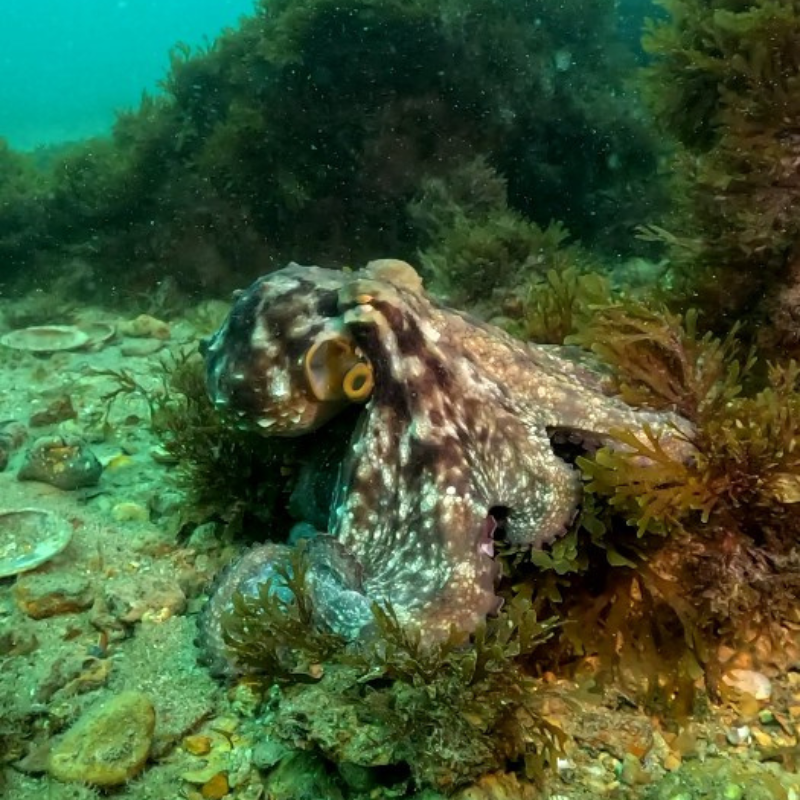
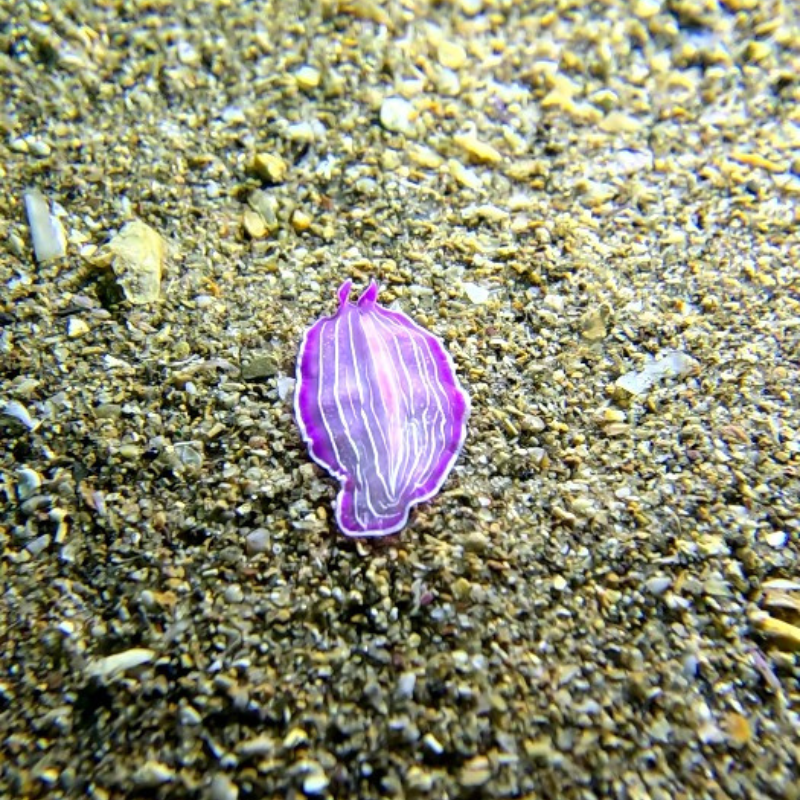
What can divers see in Gibraltar?
Marine life commonly spotted includes:
- Barracudas
- Amberjacks
- Groupers
- Conger eels
- Cuttlefish
- Large schools of fish
- Crustaceans hiding within the wrecks
Is Gibraltar diving suitable for advanced divers?
While some dive sites in Gibraltar are better suited to advanced divers due to stronger currents, and deeper wrecks, reduced visibility on some days and wreck penetration opportunities. However, there are also several shallower wreck dives accessible to Open Water Divers. Some wrecks begin at depths of around 12–18 metres, making them suitable for less experienced divers depending on conditions and instructor guidance.
Local reef diving near Marbella
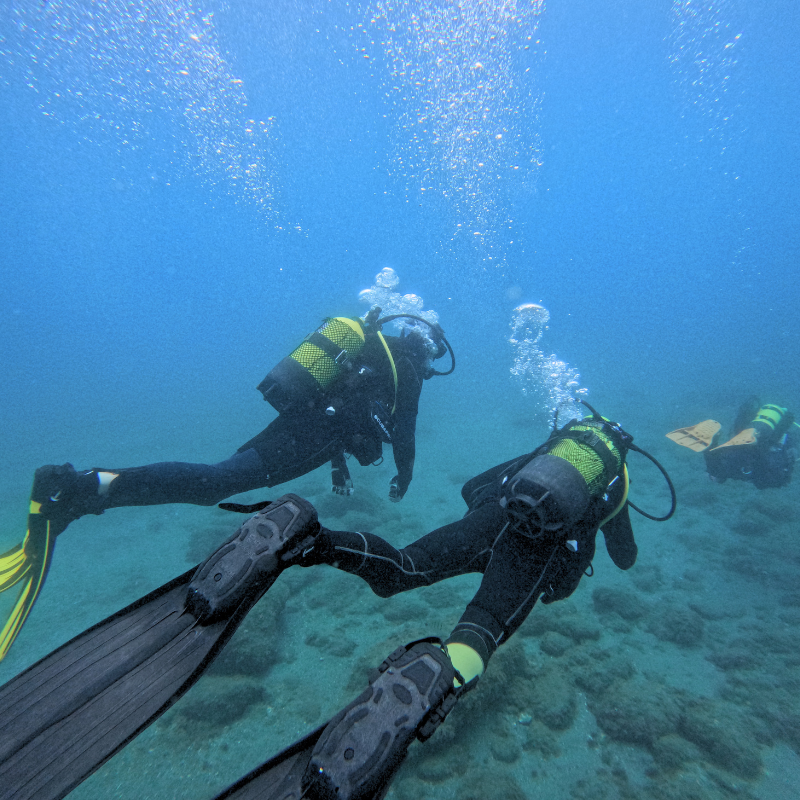
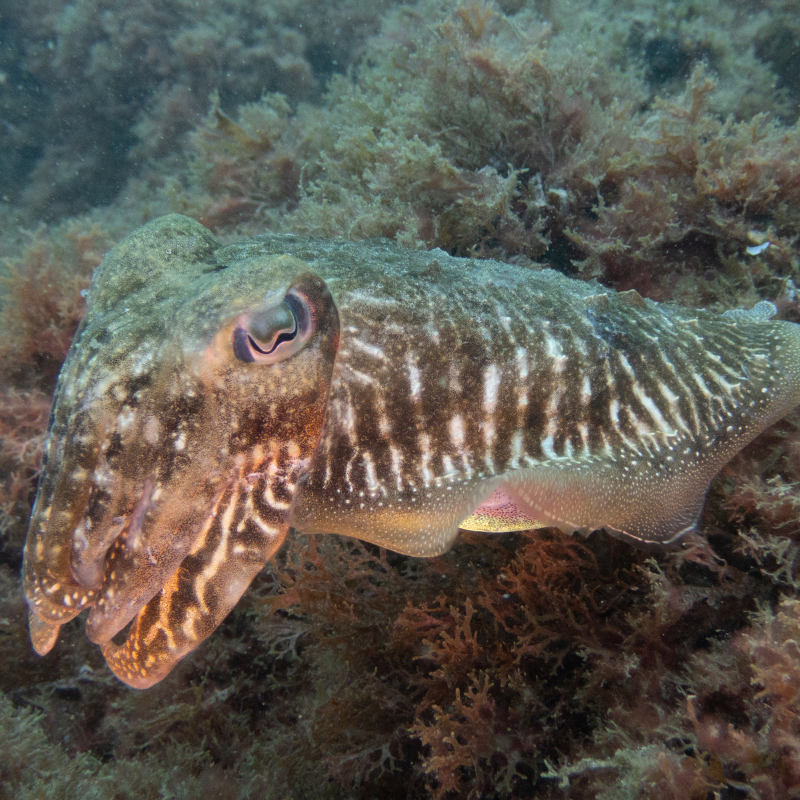
Some of the best diving experiences are found much closer to shore than people expect.
Local reef sites along the Costa del Sol offer fantastic diving conditions with healthy Mediterranean ecosystems full of macro life and hidden marine species.
The Tower – Marbella
Located just a five-minute boat ride from Marbella Port, The Tower is one of the most popular local dive sites on the Costa del Sol. The remains of a crane tower constructed in the 1950s have gradually transformed into an artificial reef full of marine life and underwater activity.
Today, the structure provides shelter for many Mediterranean species, making it an excellent site for marine life spotting and underwater photography.
Its relatively accessible depth also makes it suitable for a wide range of certification levels depending on conditions.
El Galeon – San Pedro
El Galeon in San Pedro offers divers the chance to explore the remains of a historic Spanish galleon believed to have been scuttled around 300 years ago.
Over the centuries, the wreck has become integrated into the seabed and now acts as an artificial habitat for a wide variety of marine species. Combined with its historical significance, El Galeon provides a unique diving experience that blends local history with Mediterranean marine life.
This site is especially popular among divers interested in underwater history, wreck diving and discovering lesser-known dive locations along the Costa del Sol.
Common marine life on local Costa del Sol dives
Depending on the season, divers may encounter:
- Octopuses
- Nudibranchs
- Damselfish
- Wrasse
- Scorpionfish
- Blennies
- Cuttlefish
- Crabs
- Starfish
- Moray eels
Because many local sites are relatively shallow and protected, they often provide excellent visibility and long bottom times.
Tarifa – Atlantic diving at Europe’s southernmost point
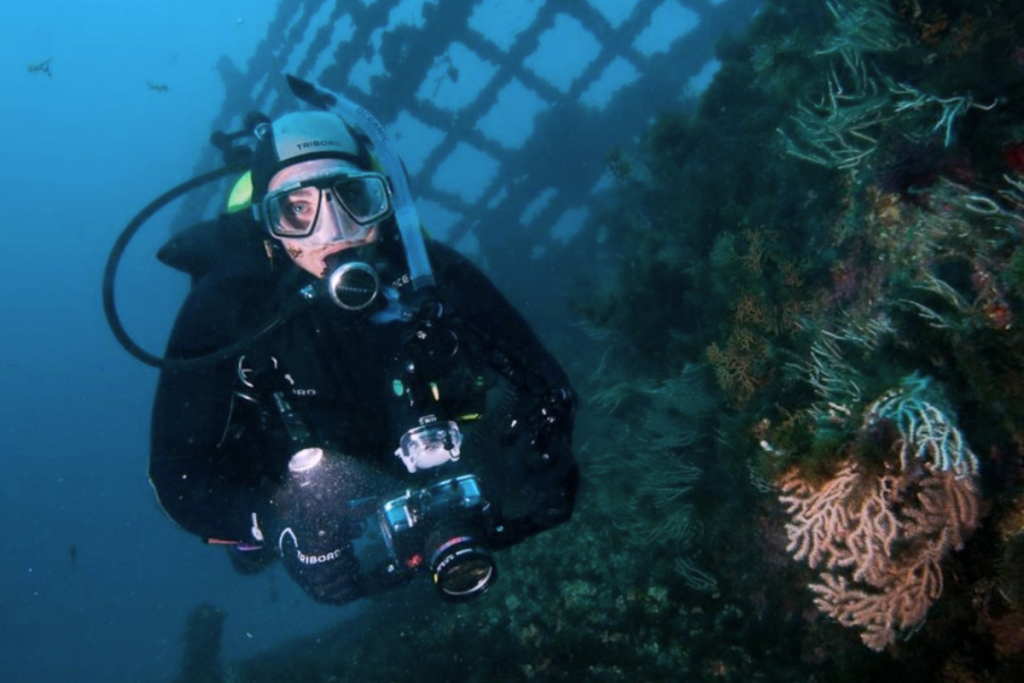
Located at the southernmost point of mainland Europe, Tarifa offers one of the most unique scuba diving environments in Spain. Here, the Atlantic Ocean meets the Mediterranean Sea, creating powerful tidal currents that bring cooler, nutrient-rich water into the region. This combination supports an incredible variety of marine life and makes Tarifa one of the most biodiverse dive destinations in southern Spain.
Unlike many calmer Mediterranean dive sites, Tarifa is known for fast-changing conditions and drift diving. Because of the stronger currents, most dive sites are recommended for Advanced Open Water divers or experienced divers comfortable in more challenging conditions.
Dive depths in the area typically range from around 10 metres to over 40 metres, with underwater landscapes featuring walls, caves, rocky formations and dramatic drop-offs.
What marine life can you see while diving in Tarifa?
Thanks to the Atlantic upwellings and nutrient-rich water, Tarifa attracts both Mediterranean and pelagic species. Divers regularly encounter:
- Large groupers
- Moray and conger eels
- Octopuses
- Cuttlefish
- Barracudas
- Amberjacks
- Tuna
Depending on the season and conditions, it is also possible to spot:
- Mola mola (sunfish)
- Rays
- Dolphins
- Sea turtles
Best dive sites in Tarifa
The San Andrés Wreck
The San Andrés is one of Tarifa’s most famous wreck dives. This paddle steamship sank during a storm in 1856 and now rests at depths between approximately 24 and 30 metres.
Although only sections of the wreck remain today — including parts of the stern, superstructure and paddle wheels — the site has developed into a thriving artificial reef. The wreck provides shelter for large groupers, conger eels, spider crabs and many other marine species.
The area is also known as a cleaning station for larger pelagic animals, which is one reason mola mola sightings occasionally occur around the wreck.
The Wall
Known simply as The Wall, this is one of the most impressive drift dives in the area. The site ranges from shallow sections around 5 metres down to approximately 30 metres and features overhangs, cracks and hiding places filled with marine life.
The wall itself is covered in:
- Anemones
- Sea grass
- Orange corals
- Mediterranean reef life
Moray and conger eels are commonly seen hiding among the rocks, while schools of fish move through the currents above the reef.
Current strength at this site can vary significantly from mild to strong depending on tidal conditions, making it a dive best suited to experienced or Advanced divers.
What is the best time of year to dive on the Costa del Sol?
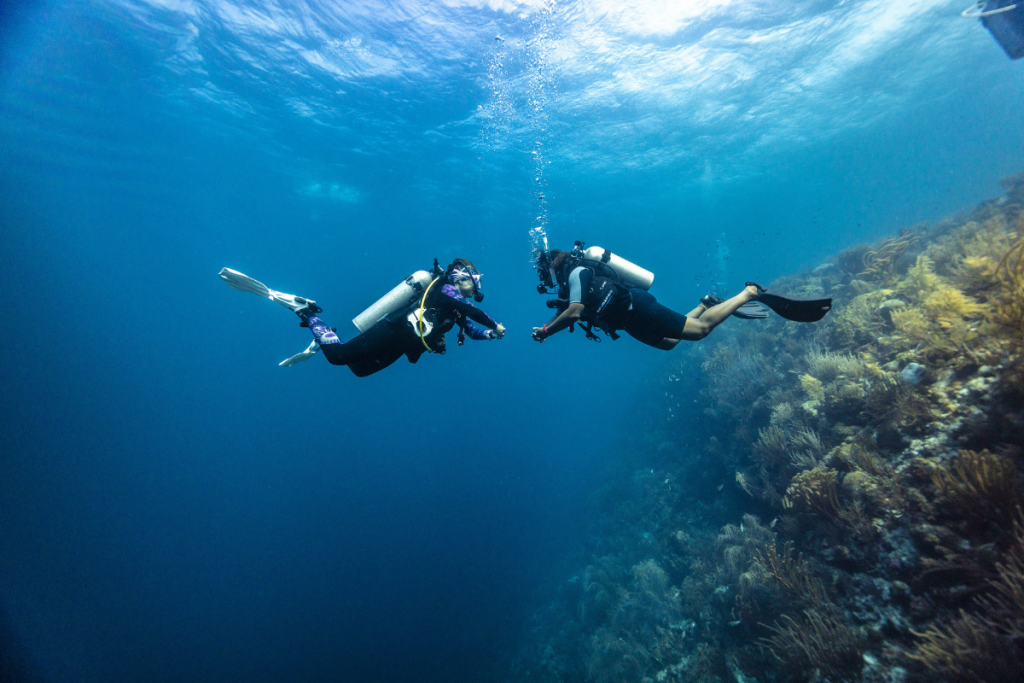
The Costa del Sol offers year-round diving conditions, but different seasons bring different experiences.
Spring and summer
- Warmer water
- Better visibility
- More boat diving opportunities
- Peak diving season
- Increased chance of seeing Mola mola in some areas
Autumn
- Warm water remaining from summer
- Excellent visibility
- Fewer crowds
Winter
- Cooler water temperatures
- Great conditions for macro life
- Quiet dive sites
- Good visibility on calm days
High diving season generally runs from April to October.
What marine life can you see while diving on the Costa del Sol?
One of the biggest surprises for visiting divers is just how much marine life exists beneath the surface in southern Spain.
Depending on location and season, divers may encounter:
- Mola mola (sunfish)
- Octopuses
- Seahorses
- Moray eels
- Nudibranchs
- Barracudas
- Groupers
- Rays
- Cuttlefish
- Dolphins
- Crabs and lobsters
- Huge schools of sardines and bream
The mix of Mediterranean and Atlantic ecosystems creates exceptional biodiversity compared to many other European dive destinations.
Dive the Costa del Sol with Diving With Nic
Whether you are looking for your first scuba diving experience, advanced wreck diving or simply want to explore the underwater world of southern Spain, our team can help you discover the best dive sites the region has to offer.
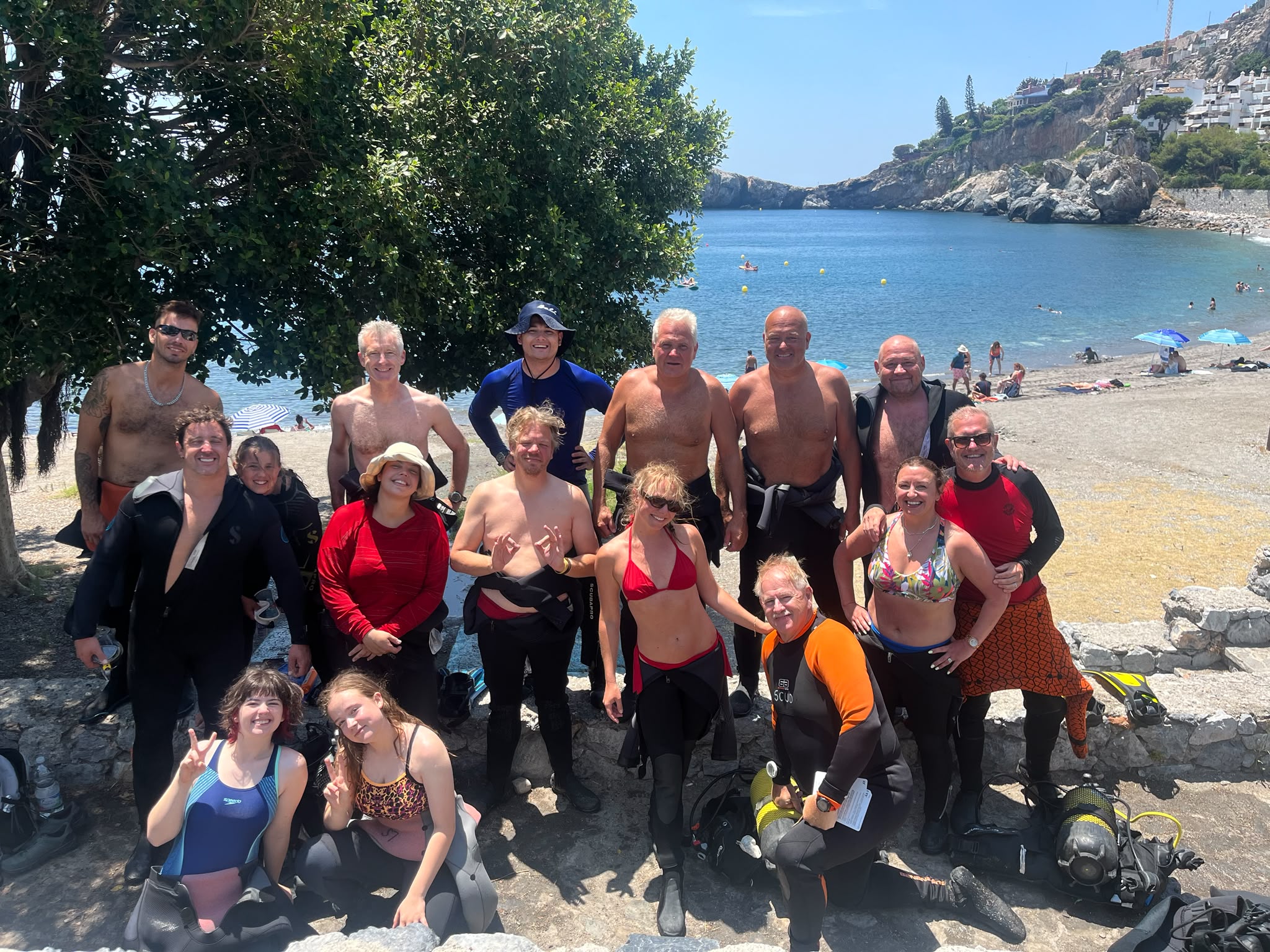
Here at Diving with Nic, we organise regular dive trips across Marina del Este, Gibraltar, Tarifa and local Costa del Sol reef sites and we offer a wide range of PADI courses to introduce or continue your love of the ocean all along the Costa del Sol.
Ready to dive the Costa del Sol? Contact us to plan your next underwater adventure.