You know the rules underwater: never hold your breath, ascend slowly and always keep an eye on your air supply. But what about the rules once you’re back on the surface?
Most divers spend plenty of time learning how to stay safe underwater, yet what happens after the dive often gets much less attention.
Even when you’ve taken off your equipment and finished your dive, your body is still adjusting. During a dive, increased pressure causes your tissues to absorb additional nitrogen, which needs time to be released safely afterwards.
And while most dives end without any problems, certain activities can increase decompression stress or make it harder to recognise when something isn’t quite right.
So before you rush off to your next adventure, here are 10 things you should avoid after scuba diving, including a few you might not have thought about!
Table of Contents
1. Catching a Flight Too Soon
Planning to squeeze in one last dive before heading to the airport? You might want to reconsider.
Although aircraft cabins are pressurised, the pressure inside is still lower than at sea level. This reduction in pressure can increase the risk of decompression sickness (DCS), especially when your body is still eliminating excess nitrogen from a recent dive.
According to Divers Alert Network (DAN), the recommended minimum waiting times before flying are:
12 hours after a single no-decompression dive.
18 hours after multiple dives in one day or over several days.
At least 24 hours after a dive requiring mandatory decompression stops, with longer intervals potentially necessary depending on the dive.
These are minimum recommendations, not guarantees. Leaving additional time between diving and flying further reduces the risk.
Our tip: When planning a diving holiday, keep your final day free from diving if possible. It’s the perfect excuse to explore the area, relax on the beach or enjoy some sightseeing.

2. Heading Into the Mountains Straight Afterwards
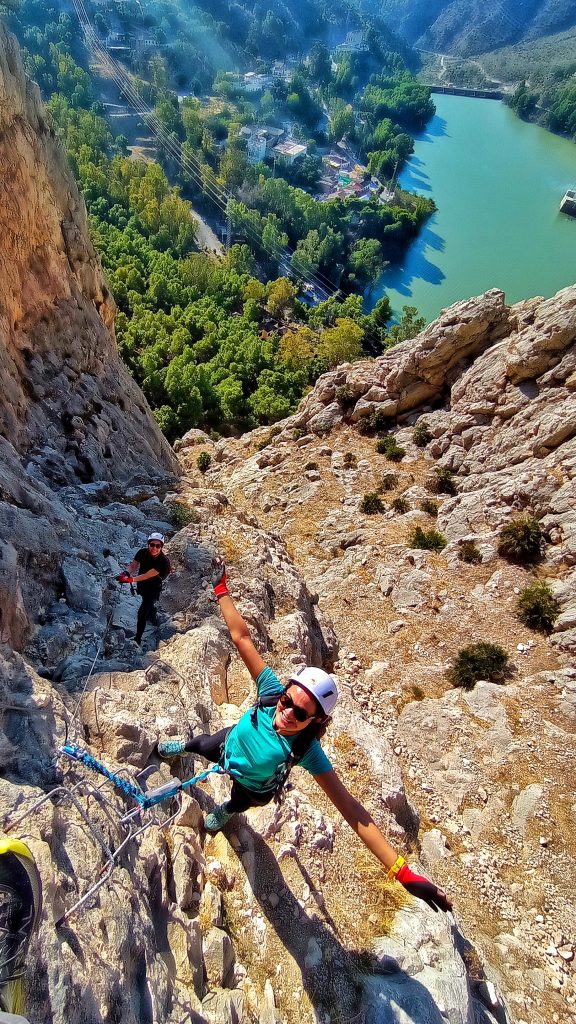
You probably know about flying after diving, but did you know that driving up a mountain can create a similar problem?
As altitude increases, atmospheric pressure decreases. The higher you travel after diving, the greater the potential decompression stress.
This is particularly relevant if you’re combining a scuba diving holiday with hiking, mountain biking or sightseeing at higher elevations.
And here on the Costa del Sol, where the mountains are never too far away, it’s definitely something worth remembering!
Our tip: If you’re planning a mountain excursion after diving, check the altitude and allow an appropriate surface interval. Higher-altitude travel may require specialist planning rather than simply following standard flying guidelines.
3. Going Straight to the Gym
Just finished an incredible morning dive and thinking about squeezing in an afternoon workout?
Maybe give yourself the afternoon off.
Strenuous exercise shortly after diving can influence the formation and movement of gas bubbles in the body, potentially increasing decompression stress.
We’re talking about activities such as heavy weightlifting, intense running, HIIT workouts or other demanding exercise.
That doesn’t mean you have to spend the rest of the day sitting completely still. Gentle walking and normal everyday movements are generally fine.
Our tip: DAN advises avoiding intense exercise for around 24 hours after diving as a conservative precaution. Save your tougher workouts for another day and enjoy some well-earned recovery time.
4. Jumping Into a Hot Tub
After a chilly dive, a steaming hot shower or jacuzzi sounds like heaven.
Unfortunately, it’s not necessarily the best thing to do immediately after surfacing.
Here’s why: when your body warms up rapidly, the solubility of nitrogen in your tissues decreases. If you still have a significant nitrogen load from your dive, sudden exposure to high temperatures can increase decompression stress.
This is particularly relevant after longer, deeper or repetitive dives.
But don’t worry, we’re not suggesting you stay cold!
Our tip: Warm up gradually after diving. A comfortably warm or lukewarm shower is preferable to jumping straight into extremely hot water, especially after a demanding dive.

5. Celebrating With Too Much Alcohol
Let’s be realistic. You’re on holiday, you’ve had a brilliant day underwater and a cold beer with your dive buddies sounds pretty good.
There’s nothing wrong with enjoying your holiday, but heavy drinking immediately after diving isn’t a great idea.
Alcohol can contribute to dehydration and impair judgement, coordination and reaction time.
More importantly, excessive drinking can make it harder to recognise symptoms of decompression illness. Dizziness, unusual fatigue and poor coordination might be blamed on alcohol when they could indicate something more serious.
Our tip: Start with water, have a proper meal and give yourself time to recover. If you choose to drink later, keep it moderate, and never drink between dives.
6. Forgetting to Hydrate and Refuel
This is probably one of the easiest post-dive habits to overlook.
Between getting your equipment ready, spending time underwater and chatting with your buddies afterwards, it’s surprisingly easy to forget to drink enough water or eat something.
Diving can also be more physically demanding than it feels, particularly when you’re dealing with currents, carrying equipment or spending time in the sun.
Dehydration is one of several factors that may affect decompression stress, although drinking extra water cannot eliminate the risk of DCS.
And no, drinking two litres of water immediately after a dive doesn’t magically remove all the nitrogen from your body!
Our tip: Keep a water bottle nearby, drink regularly throughout your diving day and eat a balanced meal or snack between dives. It’s a simple habit that supports your general recovery.

7. Rushing Into Your Next Dive
We know the feeling. You’ve just spotted an octopus, a stingray or an incredible underwater landscape, and you’re already excited about getting back in.
But don’t underestimate the importance of your surface interval.
Even after a perfectly executed ascent, your body still contains more dissolved nitrogen than it did before diving.
Spending time on the surface allows your body to continue eliminating that nitrogen before your next underwater adventure.
Short surface intervals can increase the nitrogen loading and decompression stress associated with repetitive diving.
Our tip: Follow your dive computer and dive plan, but don’t aim for the shortest possible surface interval every time. Longer intervals provide an additional safety margin, particularly when you’re doing multiple dives over several days.
8. Ignoring Ear Discomfort
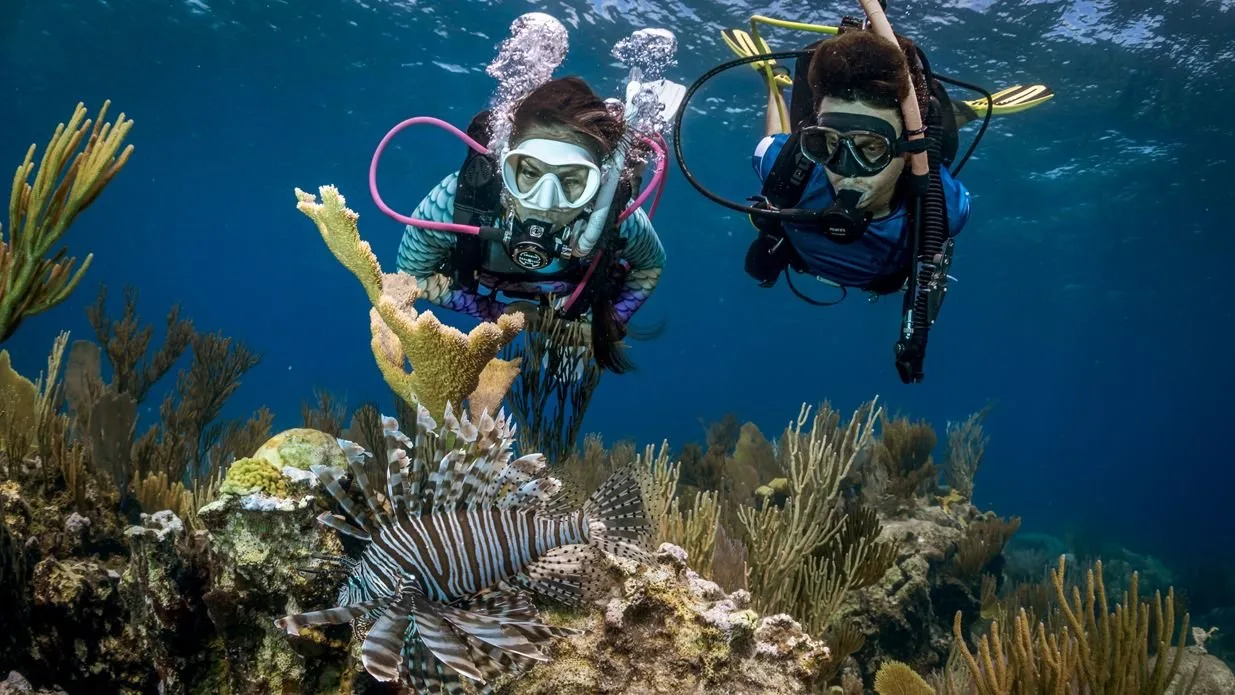
It’s common to feel a little tired after diving. Persistent ear pain, blocked ears or changes in hearing, however, are not something you should simply ignore.
Pressure changes during diving can cause ear barotrauma, particularly when equalisation has been difficult.
Possible warning signs include:
Ear pain or pressure that doesn’t go away.
Reduced or muffled hearing.
Persistent ringing in the ears.
Dizziness or vertigo.
Fluid or blood coming from the ear.
Not all ear problems are the same. Some symptoms, particularly sudden hearing loss or vertigo after diving, can also indicate more serious inner-ear injuries or decompression illness.
Our tip: Don’t try to force your ears to equalise or return underwater to see whether they clear. Stop diving and seek medical assessment if symptoms persist. Sudden hearing changes or vertigo require urgent assessment by a clinician familiar with diving medicine.
9. Assuming You're Completely Safe Because You Followed Your Dive Computer
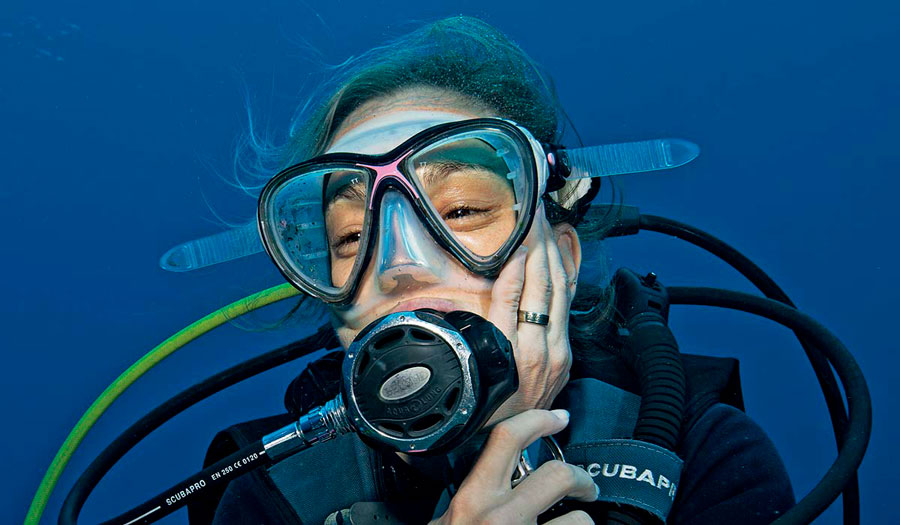
Dive computers are fantastic tools. They help us monitor depth, dive time, ascent rate and estimated nitrogen loading.
But they’re not magic.
Your computer uses mathematical models to estimate how your body responds to pressure. It doesn’t know exactly how much nitrogen your individual tissues have absorbed.
Factors such as exertion, temperature, personal physiology and your overall dive profile can influence decompression stress.
This means that staying within your no-decompression limits reduces risk, but doesn’t eliminate it completely.
Our tip: Use your dive computer as a planning and monitoring tool, not as a challenge to see how close you can get to every limit. Conservative diving habits, sensible surface intervals and gradual ascents all contribute to safer diving.
10. Brushing Off Unusual Symptoms
This is the one we really want every diver to remember.
Decompression illness doesn’t always announce itself with dramatic symptoms. Sometimes the first signs are subtle enough to be mistaken for ordinary tiredness or muscle soreness.
Symptoms worth paying attention to include:
Unexplained joint or muscle pain.
Unusual fatigue or weakness.
Numbness or tingling.
Dizziness or difficulty balancing.
Skin changes, including mottled rashes.
Confusion or difficulty concentrating.
Hearing changes.
Chest pain or breathing difficulties.
Symptoms can appear shortly after a dive or develop several hours later, even when the dive itself seemed completely normal.
The important thing is not to dismiss something unusual simply because you followed your dive plan.
Our tip: If you suspect decompression illness, stop diving, seek urgent medical assistance and contact DAN or a diving medicine specialist. Emergency oxygen should be provided by a trained person when available, without delaying medical care. Do not fly or attempt to treat yourself by diving again.
The Bottom Line: Your Dive Doesn't End at the Surface
Scuba diving is an incredible way to explore the underwater world, and we want you to enjoy every moment of it, both in and out of the water.
The good news? Looking after yourself after diving doesn’t have to be complicated.
Stay hydrated, give yourself time to recover, plan your activities sensibly and pay attention to how you’re feeling.
And remember, there’s no prize for rushing from one activity to the next.
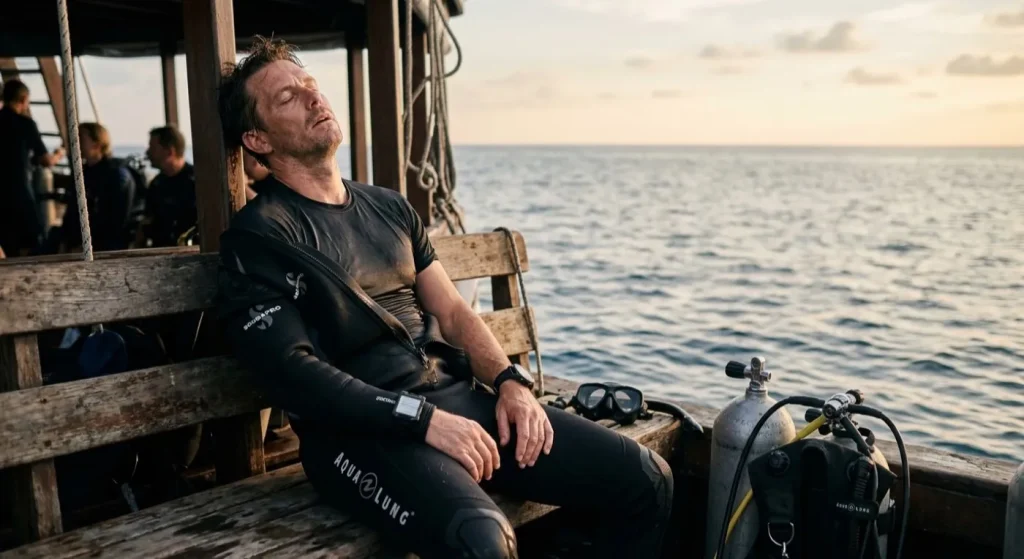
Sometimes the best thing you can do after an amazing dive is simply relax, enjoy the sunshine and start planning your next underwater adventure.
Ready for your next dive?
Whether you’re discovering scuba diving for the first time or looking to continue your underwater adventures, the team at Diving with Nic is here to help.
Get in touch with us and join us for some unforgettable diving on the Costa del Sol!