Protecting your skin from the sun is important, but have you ever thought about what happens to sunscreen after you enter the water?
Every time we swim, snorkel, or dive, a small amount of sunscreen washes off our skin and enters the marine environment. Scientists estimate that thousands of tonnes of sunscreen end up in coastal waters and coral reef areas around the world each year. While sunscreen helps protect us from harmful UV radiation, some of its ingredients can also affect marine ecosystems.
Table of Contents
Why is this a concern?
Every time we swim, snorkel, or dive, a portion of the sunscreen on our skin washes off into the water. Scientists estimate that around 25% of the sunscreen applied to the body is released during recreational water activities, contributing to roughly 5,000 tonnes of sunscreen entering coral reef areas every year. That’s approximately the weight of 1,000 elephants.
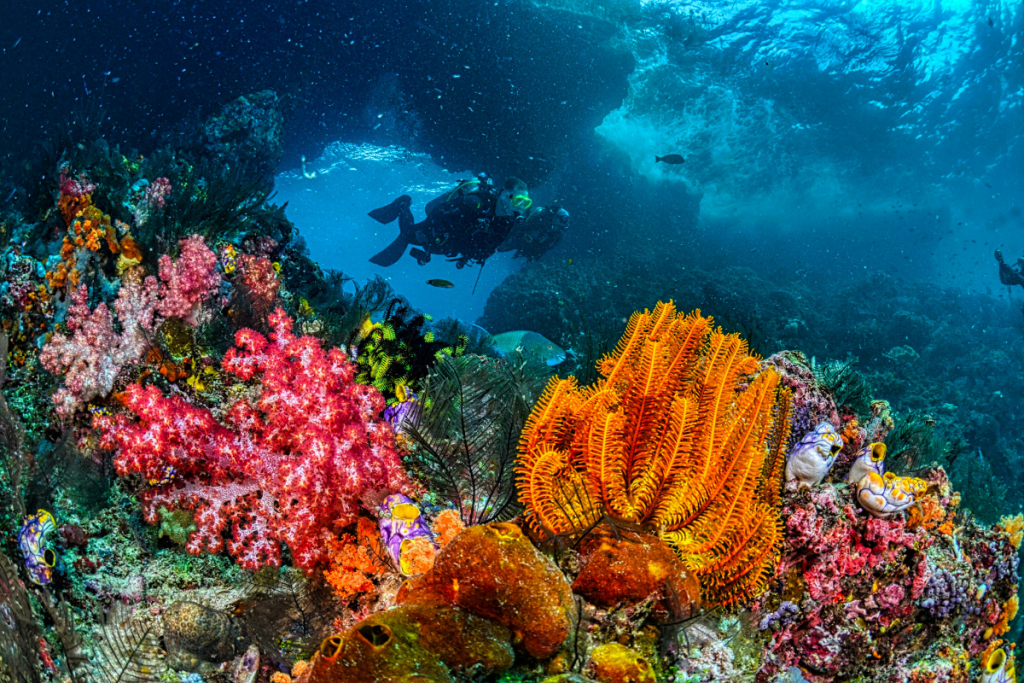
Coral reefs are among the most important ecosystems on Earth, providing habitat for around 25% of all marine species while covering less than 0.1% of the ocean floor. Yet they are already under pressure from climate change, pollution, overfishing, and coastal development.
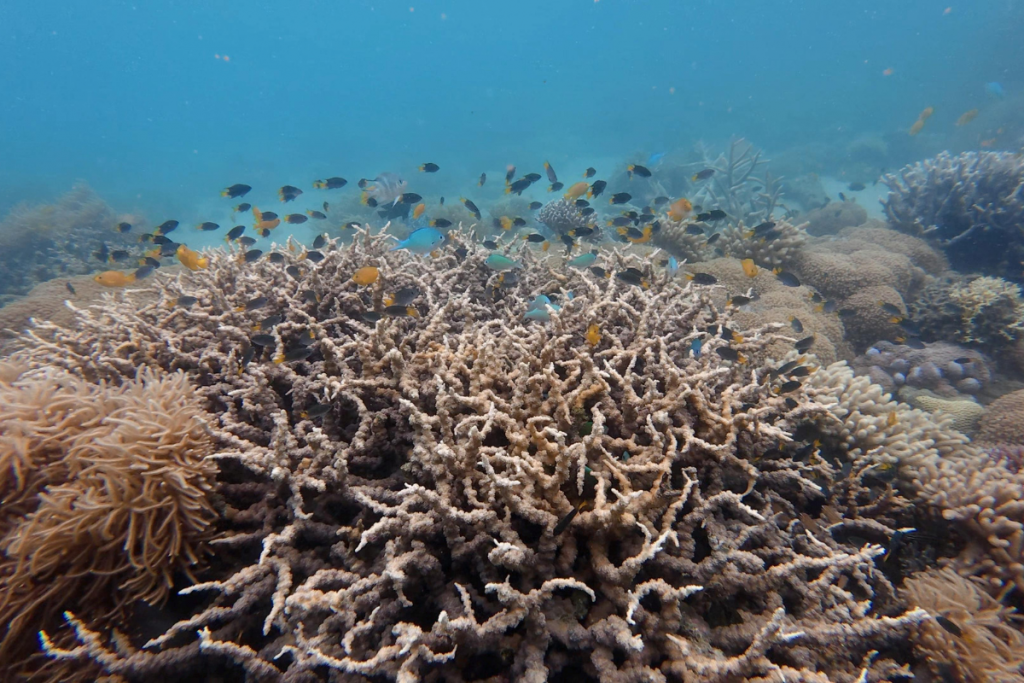
Research has shown that some chemical UV filters commonly found in sunscreens, particularly oxybenzone and octinoxate, can harm corals and other marine organisms. Studies have linked these chemicals to coral bleaching, reduced growth, and damage to coral larvae.
One study found that oxybenzone can be toxic to corals at concentrations as low as 62 parts per trillion — roughly equivalent to a single drop of water in six Olympic-sized swimming pools. Scientists have also found that it can damage coral DNA, interfere with normal development, and make corals more vulnerable to environmental stress.
While sunscreen pollution is not the biggest threat facing marine ecosystems, it is one of the few that individual ocean users can directly influence through their everyday choices. Small changes made by millions of people can have a meaningful impact on the health of our oceans.
It's not just what washes off while swimming
Many people assume sunscreen pollution only occurs when they enter the sea. In reality, scientists believe that a large proportion of sunscreen-related pollution reaches the ocean through wastewater.
After a day at the beach, sunscreen is washed off in showers, sinks, and washing machines. Conventional wastewater treatment plants are often unable to fully remove some UV-filter compounds, allowing them to enter rivers and eventually the sea.
This means that the choices we make on land can still have an impact on marine environments.
What about the Mediterranean?
When people hear about sunscreen pollution, they often think of tropical coral reefs in places like Hawaii or the Caribbean. However, the issue is not limited to these regions.
Here on the Costa del Sol, we may not have tropical coral reefs, but we do have valuable marine ecosystems that deserve protection. Seagrass meadows, fish larvae, invertebrates, and countless other marine species can be exposed to chemical pollutants entering coastal waters.
Reducing unnecessary pollution helps protect the marine life we enjoy seeing on every dive, from octopus and nudibranchs to rays, seahorses, and countless fish species.
How to reduce your impact
The good news is that a few simple changes can significantly reduce the amount of sunscreen entering the marine environment.

Wear Protective Clothing
UV-protective rash guards, long-sleeved swimwear, hats, and other protective clothing can reduce the amount of exposed skin and therefore the amount of sunscreen needed.
Choose more ocean-conscious products
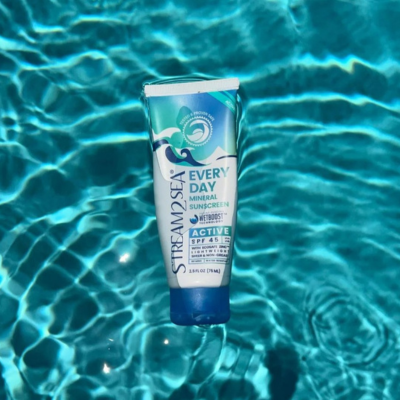
Many experts recommend avoiding sunscreens that contain oxybenzone and octinoxate. Mineral-based alternatives are often considered a better option, although research into their environmental impacts is still ongoing.
If choosing a mineral sunscreen, look for products that avoid nano-sized zinc oxide or titanium dioxide particles where possible.
Avoid aerosol sprays
Spray sunscreens can disperse into the air and surrounding environment, increasing unnecessary pollution.
Apply sunscreen before entering the water
Applying sunscreen at least 15–20 minutes before swimming allows it to absorb more effectively into the skin, reducing the amount that immediately washes off.
Looking beyond “reef safe” labels
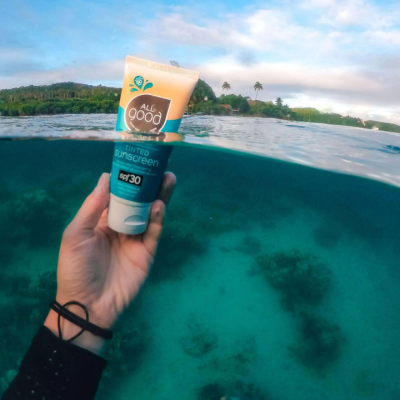
Many products are marketed as “reef safe” or “reef friendly,” but these terms currently have no universally accepted definition or certification standard.
Rather than relying solely on marketing claims, it is worth checking the ingredient list and learning which UV filters are considered more environmentally responsible based on current scientific understanding.
Small choices, big difference
Protecting marine ecosystems requires action on many fronts, from reducing plastic pollution to addressing climate change. Choosing more ocean-conscious sun protection may seem like a small step, but it is one that every ocean user can take.
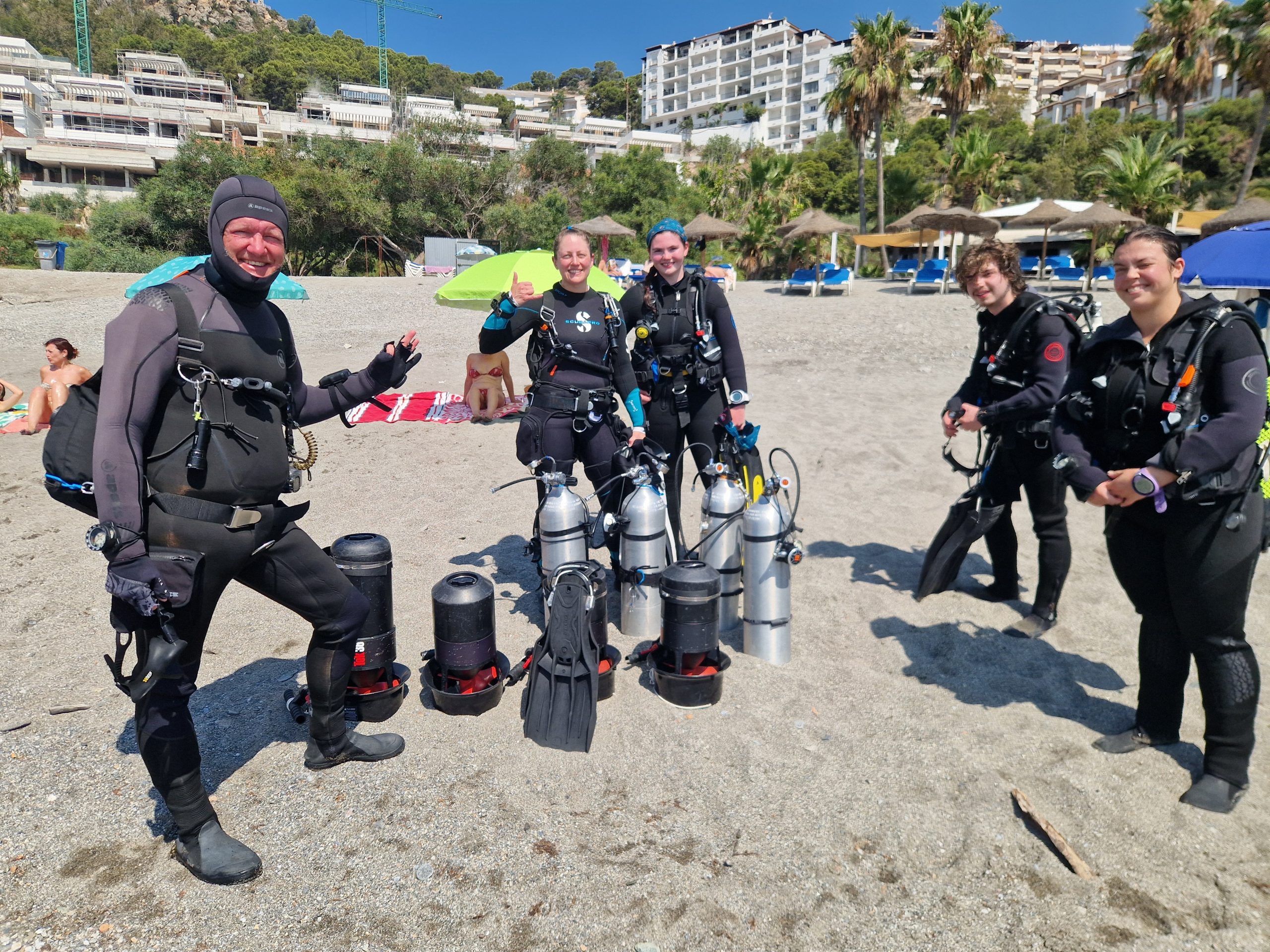
At Diving with Nic, protecting the ocean is part of everything we do. As proud members of Green Fins and the only eco-focused dive centre on the Costa del Sol, we encourage divers to make informed choices that help reduce their impact on the underwater world.
The ocean gives us incredible experiences every day. By making a few simple changes, we can all help ensure it remains healthy and thriving for future generations.
FAQ
Is reef-safe sunscreen really reef safe?
The term “reef safe” is not currently regulated, meaning different brands may use it in different ways. A product labelled as reef safe is not automatically harmless to marine life.
Rather than relying solely on marketing claims, it’s a good idea to check the ingredient list. Many marine scientists recommend avoiding sunscreens containing oxybenzone and octinoxate, two UV filters that have been linked to coral damage. While no sunscreen is completely impact-free, choosing products with more environmentally conscious ingredients can help reduce your footprint.
What sunscreen ingredients should divers avoid?
Many experts recommend avoiding products containing oxybenzone and octinoxate, as these ingredients have been associated with coral bleaching and damage to coral larvae.
Some researchers have also raised concerns about other chemical UV filters, including octocrylene, avobenzone, and homosalate. As scientific understanding continues to evolve, divers may wish to choose products that avoid these ingredients where practical.
Always remember that reducing the amount of sunscreen needed by wearing UV-protective clothing is often the most environmentally friendly option.
Is sunscreen harmful in the Mediterranean Sea?
Although the Mediterranean does not contain tropical coral reefs like those found in the Caribbean or Pacific, sunscreen chemicals can still enter coastal waters and interact with marine ecosystems.
Marine plants, seagrass meadows, fish larvae, invertebrates, and other organisms may all be exposed to pollutants introduced through swimming and wastewater. Reducing chemical pollution helps protect the marine life that makes the Mediterranean such a special place to dive.
What is the best sunscreen for scuba diving?
There is no single “best” sunscreen for every diver, but there are a few things to look for.
Choose a broad-spectrum sunscreen that provides effective protection against UVA and UVB rays while avoiding ingredients such as oxybenzone and octinoxate. Mineral-based sunscreens are often considered a more environmentally conscious alternative, especially when they do not contain nano-sized particles.
For divers, combining sunscreen with a rash guard, wetsuit, or other UV-protective clothing is often the most effective way to stay protected while reducing the amount of product entering the water.
How long before diving should I apply sunscreen?
Experts generally recommend applying sunscreen at least 15–20 minutes before entering the water. This gives the product time to absorb into the skin and can help reduce the amount that immediately washes off when you swim, snorkel, or dive.
Reapply according to the manufacturer’s instructions, especially after long periods in the water or after towelling off.
Can I protect my skin without using as much sunscreen?
Yes. One of the easiest ways to reduce sunscreen use is by combining it with other forms of sun protection.
Wearing a rash guard, UV-protective clothing, a hat, and sunglasses, as well as seeking shade during the hottest part of the day, can significantly reduce UV exposure. These measures not only help protect your skin but also reduce the amount of sunscreen entering the marine environment.